Dreaming of a low‑maintenance home steps from New Haven Avenue, with river breezes at sunset and coffee shops around the corner? If you want convenience, views and a lock‑and‑leave lifestyle, condo or townhome living in Downtown Melbourne can check every box. In this guide, you will learn what types of homes you will find, how fees and prices work, the walkable downtown lifestyle, and the Florida condo rules that matter before you buy. You will also get a practical checklist to make a confident decision. Let’s dive in.
Downtown lifestyle and walkability
Downtown Melbourne centers on New Haven Avenue and Front Street, right along the Indian River and Crane Creek. Many blocks score in the 60s to 80s on Walk Score, which means you can often walk to dining, shops and nightlife more easily than in most of the city. You will still use a car for some errands, but living downtown puts you close to what you do most days. You can check a specific building’s walkability using the address on the Walk Score downtown map.
River access is a major part of the appeal. Residents enjoy public spaces like Riverview Park and other downtown parks for morning walks, weekend events and sunset views. Boaters appreciate nearby launches and marina access along the waterfront corridors. If you love being by the water without a long drive, this location stands out.
What you will find: homes and buildings
Downtown Melbourne has a mix of attached home options that fit different lifestyles and budgets:
- Waterfront and near‑river condos. These mid‑rise and low‑rise buildings line Front Street, Harbor City Boulevard and the New Haven corridor. Many offer river views, covered parking, and amenities like pools or fitness rooms.
- Boutique and converted flats. You will also see smaller condo buildings near historic storefronts with cozy one‑bed or studio layouts. Some are above or near retail, often with fewer amenities and lower monthly fees.
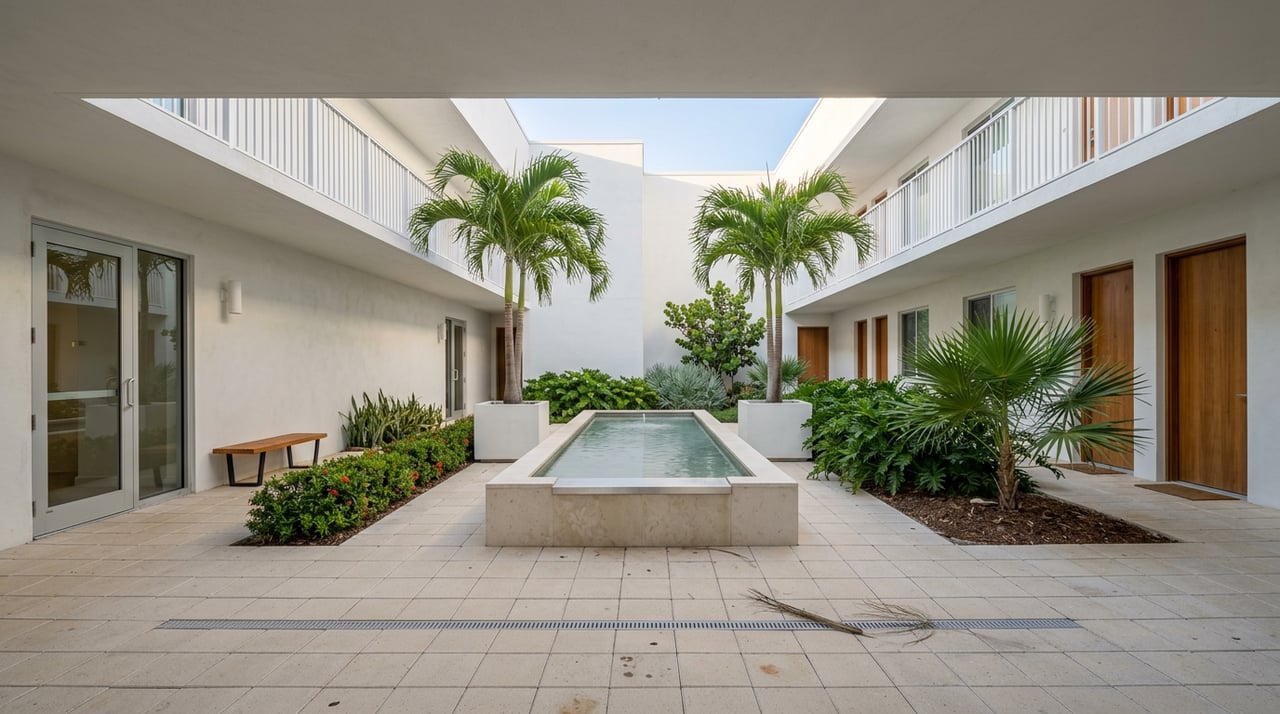
- Modern townhomes. Newer projects include two to three story townhomes, some with private garages, elevators or even dock access. A few riverfront townhomes include features like small private pools or boat slips. Always confirm slip availability, as not every riverfront community offers them.
Floor plans, sizes and typical fees
Floor plans range from compact studios and one‑bedrooms to spacious two and three bedroom riverfront residences. Recent examples in the core run from about 700 square feet for older, smaller units up to 2,000 plus square feet for larger river view condos and luxury townhomes. If you want single‑level living, most condos offer it, while townhomes often deliver more space across multiple floors.
Monthly association dues vary by building age and amenities. A broad local range runs roughly from about 400 dollars to more than 900 dollars per month. Fees trend higher in communities with elevators, onsite management, secure parking, pools or fitness centers. Always compare what the fee includes, such as water, sewer, cable or internet.
Prices and how to read the market
Downtown is a small, high‑demand submarket where a few riverfront sales can swing the median. For example, Redfin reported a Downtown Melbourne median sale price of about 925,000 dollars in January 2026, while Realtor.com showed a downtown median in the high 700,000s in late 2025. Those differences reflect waterfront premiums and small sample sizes at any given time. The key is to compare active and recent sales in your exact building or block on the week you shop.
Citywide Melbourne averages often differ from the downtown core, so do not assume downtown equals the city median. If you want the best apples‑to‑apples view, track a downtown neighborhood snapshot and look at unit‑level comps with similar size, view and amenity sets.
Getting around, parking and daily convenience
Many downtown addresses are a short walk to bus stops and rideshare pickup, which covers quick trips. The City also provides a municipal parking garage and surface lots near the commercial core. Recently, the City studied downtown parking management and recommended tighter enforcement of time limits and phased paid parking to improve turnover. If you plan to host guests often, it is worth reviewing the City’s parking management update and your building’s guest parking rules.
Ownership essentials in Florida condos
Buying a condo or townhome in Florida includes a few extra steps. These rules help protect safety and clarify who pays for what. Here are the big items to understand and verify.
Milestone inspections and SIRS
Florida requires structural milestone inspections for condominium and cooperative buildings that are three or more habitable stories. Many associations must also complete a Structural Integrity Reserve Study, often called a SIRS. These requirements arose after Surfside and are detailed in Senate Bill 4‑D and the state’s Division of Condominiums guidance. Ask whether the building has completed its milestone inspection, whether a SIRS is done, and what projects or funding plans exist. You can review the DBPR’s official information and timelines on the state inspections portal.
Required resale documents and disclosures
Under Florida law, buyers receive a resale packet with association documents, rules, recent budgets and financials, insurance information and disclosures on assessments or litigation. This is often called an estoppel or resale package. Review these documents early. The Florida Senate’s updates to condominium statutes clarify these disclosures and timelines, which you can review in current bill text.
Insurance: master policy, HO‑6 and deductibles
Associations typically carry a master policy for common elements and building structure, while unit owners usually buy an HO‑6 policy for interiors, contents and liability. Coverage details vary, so verify whether your association’s master policy is broad “all‑in” or more limited. For a clear primer on how association master policies differ from unit owner coverage, see this condo insurance overview. Also ask about hurricane and wind deductibles, since large deductibles can be assessed to owners after a covered event. This risk and funding approach is explained in association insurance resources like this deductible guide.
Flood insurance and river proximity
Near the Indian River or Crane Creek, some buildings sit in FEMA Special Flood Hazard Areas. Associations may carry a master flood policy called an RCBAP. That master policy does not necessarily cover your personal belongings or interior upgrades. Unit owners often need contents‑level flood coverage. You can learn how RCBAP works and what it does not cover in this FloodSmart resource. For a specific property, check the FEMA Flood Insurance Rate Map and request elevation details when available. Start with FEMA’s flood mapping page.
Association governance and rules
Associations set and enforce rules on pets, parking, rentals and alterations, and they manage budgets and reserves. Healthy associations disclose current dues, reserve balances, any special assessments and open litigation in the resale package. Read the last year of meeting minutes to spot patterns like deferred maintenance or frequent one‑off assessments. If you plan to rent the unit, confirm minimum lease terms and any caps.
Short‑term rental rules
Short‑term rental rules are set by a mix of city, county and association documents. Municipal rules can differ between Melbourne, West Melbourne, Melbourne Beach and unincorporated Brevard County. Do not assume your building permits short stays. Check both the local code for the property’s jurisdiction and the association’s rental rules in writing before you buy.
Condos and townhomes vs single‑family living
Condos and townhomes can make daily life simpler. You avoid yard work and exterior maintenance. You often get amenities like a pool, gym or social spaces without the upkeep. Many downtown buildings offer secure entry, elevators and reserved parking that support a lock‑and‑leave lifestyle.
Tradeoffs exist. You will pay HOA dues and you may face special assessments if the building plans major work. You will likely have less private outdoor space and, in busy hours, parking and noise can be tighter than in a suburban neighborhood. Riverfront buildings can command a premium and, at some sites, require higher reserves or insurance. Review your building’s inspection and reserve status and the master policy’s deductibles to get a clear picture of risk and cost.
Before you buy: quick checklist
Use this shortlist to make sure your due diligence is complete:
- Order the resale or estoppel package early. Review declaration, rules, current budget, year‑to‑date financials, reserve balances, meeting minutes and any special assessment notices.
- Confirm milestone inspection and SIRS status. Ask for copies or summaries and any planned projects and funding timelines. Check the state’s inspection guidance.
- Get insurance details. Request the master policy declarations and hurricane or wind deductibles. Verify whether there is an RCBAP for flood and price your HO‑6 and contents flood coverage. See FEMA’s flood maps and RCBAP basics.
- Verify parking, storage and any boat slip. Confirm assigned spaces, guest rules and whether slips are deeded or wait‑listed. Review City parking updates for downtown.
- Check rental rules. Get minimum lease terms and any limits on the number of rentals. Verify city or county short‑term rules for the property’s location.
- Confirm flood zone and elevation. If near the river or creek, review the FEMA panel and request elevation data.
Three sample buyer profiles
These examples illustrate how different attached homes can fit different needs:
- The efficient downtown flat. A renovated one‑bedroom in an older low‑rise near New Haven Avenue that is about 700 to 900 square feet. Fees trend toward the lower end when amenities are limited. You get walkability, a compact footprint and easy upkeep.
- The river view retreat. A mid‑rise two or three bedroom condo that is 1,500 to 2,200 plus square feet with covered parking, a pool and fitness room. Fees sit in the mid to higher range depending on staff and amenities. You get water views and social spaces.
- The modern townhome. A two to three story attached home with a private garage, potential elevator and, in some communities, dock access. Sizes often run 1,800 to 2,400 plus square feet. You enjoy more privacy and storage with condo‑style exterior maintenance.
Budgeting for taxes
Property taxes vary by value and exemptions. To estimate, review Brevard County’s current millage tables and sample calculations from the Property Appraiser. Start with the county’s millage schedule and apply your purchase price and exemptions to get a ballpark.
Final thoughts
If you want a walkable, water‑loving lifestyle with less maintenance, Downtown Melbourne’s condos and townhomes offer a compelling mix of convenience and charm. The key to a smooth purchase is due diligence on building safety, reserves and insurance, paired with clear expectations on fees and rules. With the right guidance, you can focus on sunsets and Saturday strolls instead of surprises.
Ready to explore available units, compare buildings and run a clean due‑diligence plan? Reach out to Island Pineapple Realty for local insight, careful guidance and a people‑first experience.
FAQs
What makes Downtown Melbourne condo living different from the rest of the city?
- Downtown offers higher walkability, quick access to dining and parks along the Indian River, and a mix of boutique flats, riverfront condos and modern townhomes that you do not see as often in suburban areas.
How much are typical condo or townhome HOA fees in Downtown Melbourne?
- Fees vary widely by age and amenities, with a rough local range of about 400 to 900 dollars per month, often higher in buildings with elevators, staff, pools and covered parking.
How do Florida’s milestone inspections and SIRS affect me as a buyer?
- These required studies identify structural needs and reserve funding plans that can lead to repairs or special assessments, so you should review the reports or summaries before committing.
Do I need flood insurance if my condo is on a higher floor near the river?
- You may, depending on the building’s flood zone and the association’s master flood policy; many owners still carry contents‑level flood coverage for belongings even with an association RCBAP.
Can I use a Downtown Melbourne condo or townhome as a short‑term rental?
- Maybe, but only if both the municipal code for that address and the association’s rules allow it; always confirm minimum lease terms and any caps in writing.
What should I review in the condo resale or estoppel package?
- Focus on the budget, reserve balances, insurance declarations, special assessment history, meeting minutes, milestone inspection and SIRS status, and any open litigation.
How is parking handled for downtown buildings and guests?
- Many buildings include assigned or covered spaces and have guest rules, while the City manages nearby public garages and lots and may adjust enforcement or paid parking to keep turnover healthy.